
From mind-numbing meetings to natural co-creation
Collaboration has unfortunately been relegated to endless, inefficient meetings. It’s time to change course towards connection, courageous communication and true cocreation!
Inefficient collaboration is everywhere
Many people spend most of their working hours back-to-back in inefficient meetings and feel drained, frustrated, and unproductive. They yearn for more meaningful interactions and a sense of accomplishment. Many others are afraid to show up as themselves and say what they really think and feel. Engagement in organizations is at historically low levels, and more and more people are dropping out long-term.
How did things go so wrong? Why have we relegated collaboration to endless, sleep-inducing meetings and a never-ending stream of emails and instant messages?

Pyramids and information overload
We live in a time of rampant innovation and rapidly evolving technologies, but our model of organizing, leading and collaborating – the inside of organizations – is often still based on 20th century visions. Many organizations are stuck in a pyramid structure and still operate the same way they did 100 years ago.
All kinds of apps – Slack, Confluence, Zoom and the like – make interaction easier than ever but create information overload. Real productive, value creating collaboration remains a challenge.
Time to change course
Teams urgently need to truly work together in order to stay relevant in an increasingly complex, rapidly changing world. People need to be freed of an overload of mind-numbing meetings and information so that the full potential of our organizations can be unleashed.
Real teamwork is more than ever the most important, untapped competitive advantage for many companies. And when it comes to helping people find fulfillment in their work, there is nothing more important than teamwork. It gives people a sense of belonging and togetherness.
The layers of true value-creating collaboration
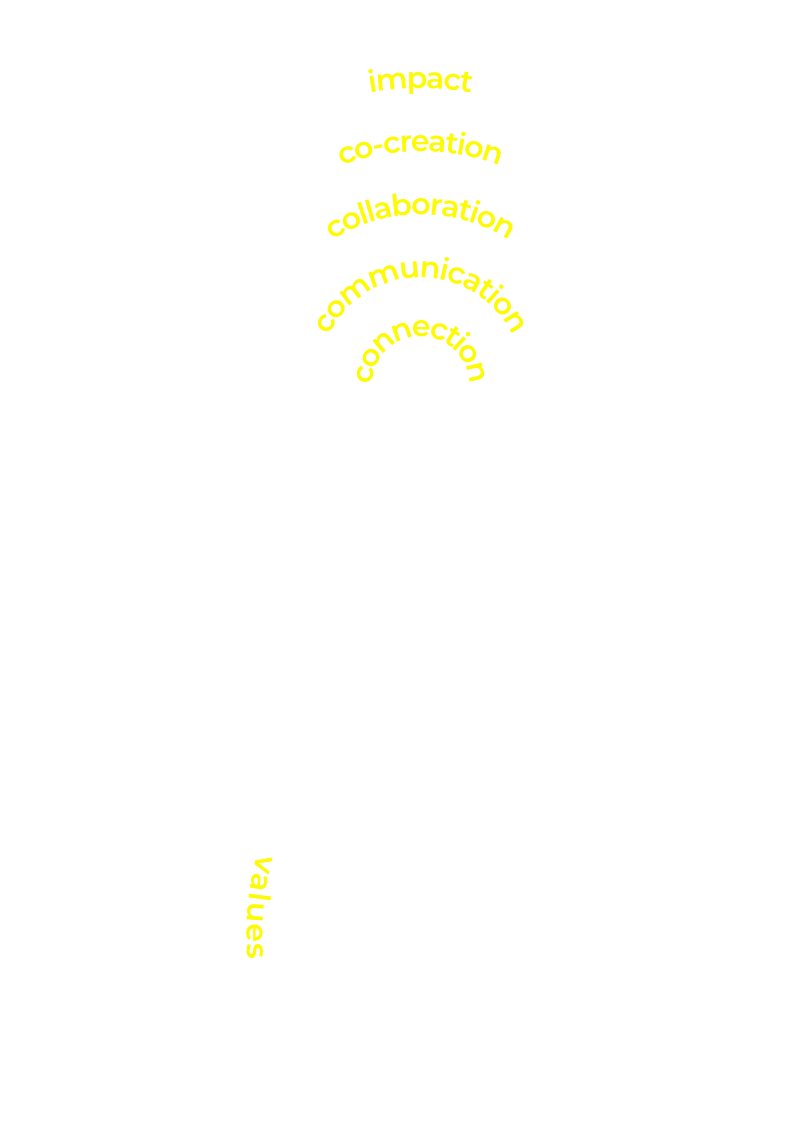
Firstly, the essence of any top organization and team lies in the quality of its connection: with one’s own essence as a human being, with one’s colleagues and with the purpose of the organization.
Next, communicating from a place of connection in a clear and nonviolent way is, in our opinion, one of the most transformative and important skills for collaboration in the 21st century.
Effective collaboration also requires best practices, tools and structures. Consider, for example, clear roles and responsibilities, meeting practices, or agreements around conflict management.
In order to move beyond a highly collaborative way of working towards true employee-driven innovation, a specific mindset as well as a certain set of skills and processes around creativity, experimentation and customer centricity are essential.
Be accompanied by experienced guides


